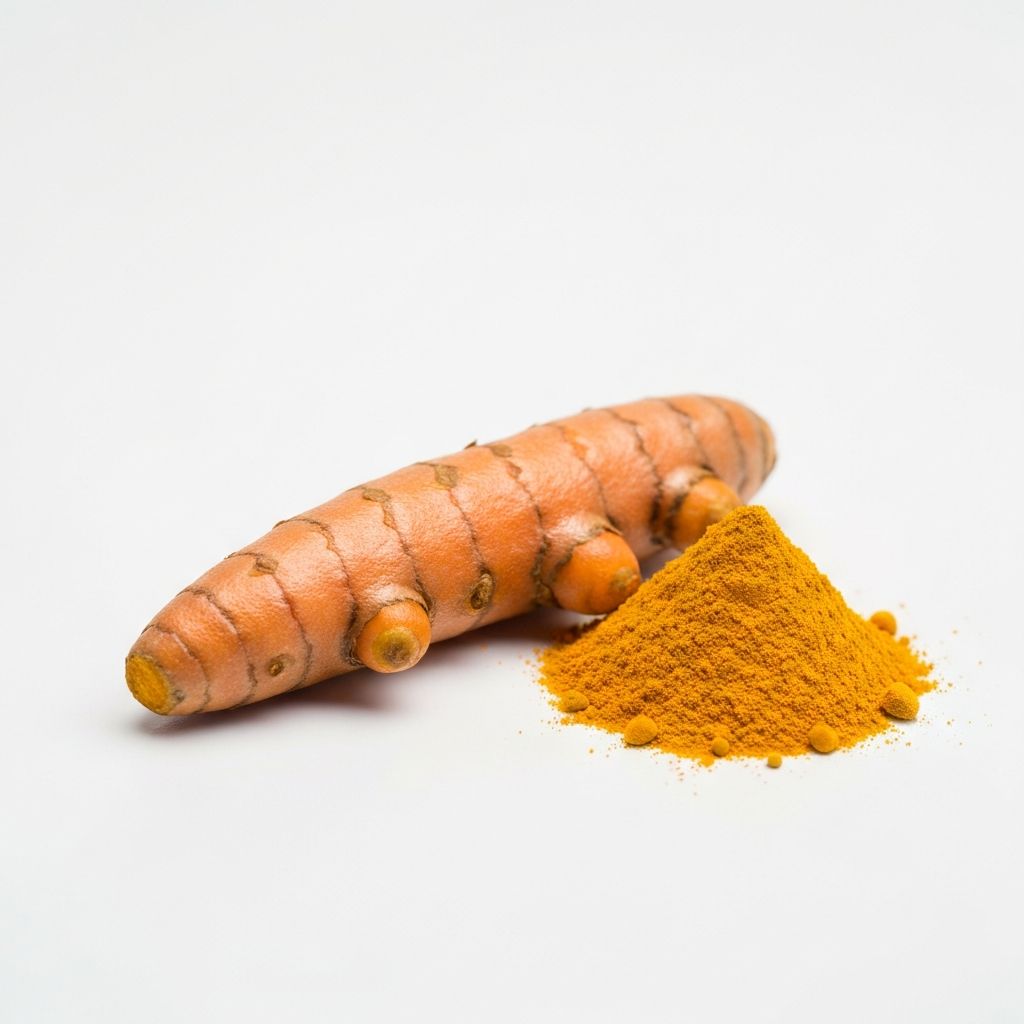
Turmeric Rhizome Extract
Turmeric, derived from the rhizome of Curcuma longa, has been incorporated into traditional wellness practices for thousands of years, particularly in Southeast Asian and South Asian cultures. The golden-hued compound curcumin represents one of turmeric's primary bioactive constituents.
Historically, turmeric has been valued for its potential to support various aspects of wellness. Modern research continues to explore the properties of curcumin and its interactions with biological systems. Turmeric's vibrant color and earthy flavor have made it a staple in culinary and wellness traditions.
The traditional applications of turmeric span diverse wellness approaches, from topical preparations to dietary incorporation. Individual responses to turmeric vary based on factors including bioavailability, existing health status, and other dietary components.
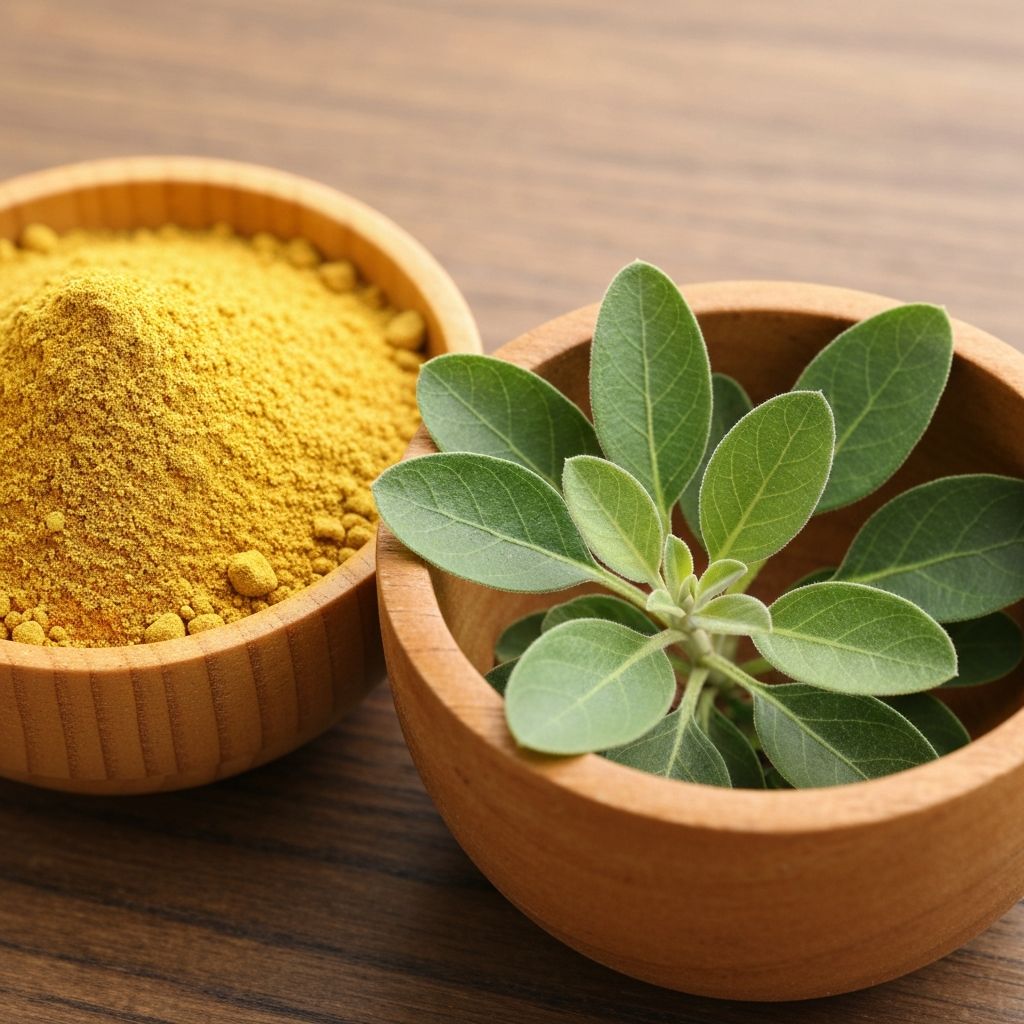
Ashwagandha Root Powder
Ashwagandha, scientifically known as Withania somnifera, represents a foundational herb in Ayurvedic wellness traditions spanning over three thousand years. The Sanskrit name "ashwagandha" translates to "the strength of a horse," reflecting its traditional reputation as a vitality-supporting herb.
Classified as an adaptogen in traditional systems, ashwagandha has been explored for its potential to support the body's adaptation to various stressors. The root contains alkaloids and withanolides, compounds that have been the subject of contemporary scientific research investigating traditional applications.
Modern interest in ashwagandha reflects both its traditional use and emerging research into adaptogenic herbs. Individual experiences with ashwagandha vary, influenced by factors including dosage, form, existing health conditions, and individual physiology.
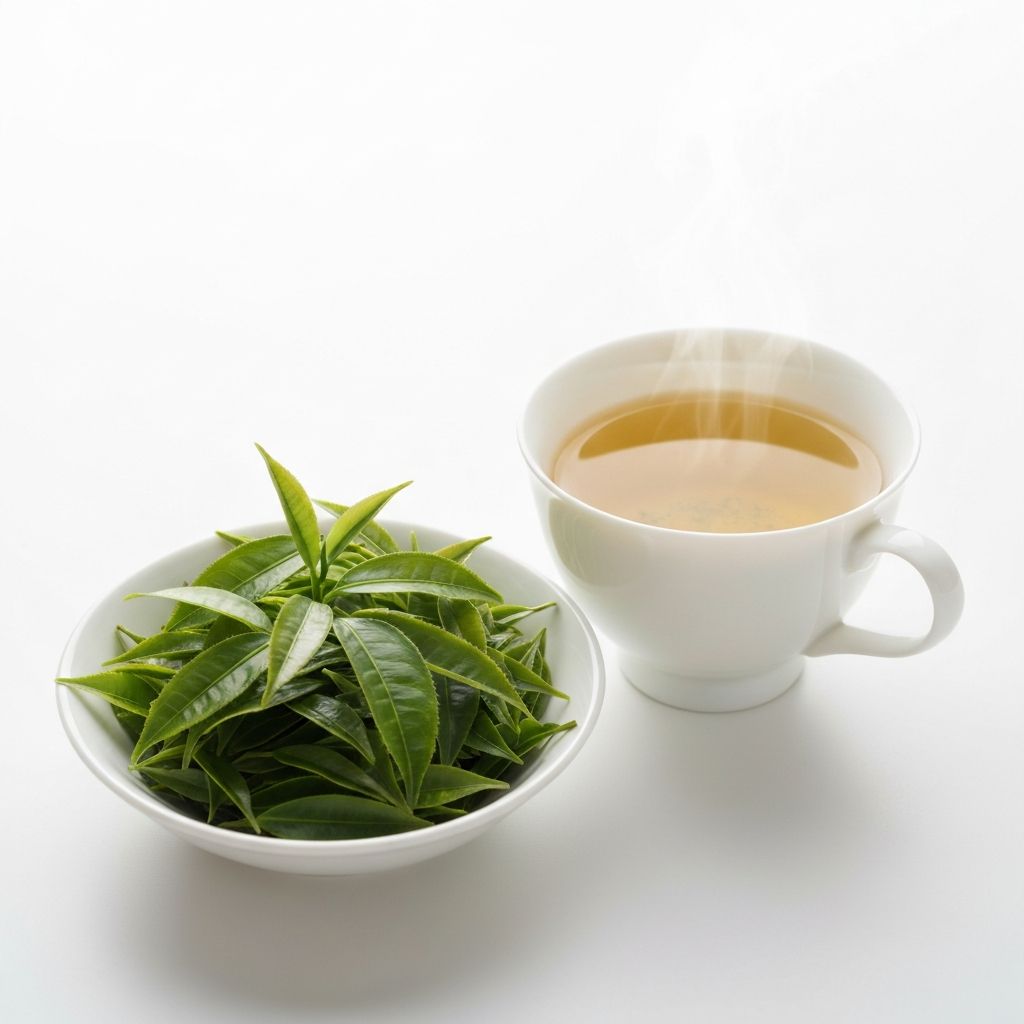
Green Tea Leaf Infusion
Green tea, made from the leaves of Camellia sinensis, represents one of the oldest consumed beverages globally, with documented use spanning over two thousand years. Unlike oxidized tea varieties, green tea undergoes processing that preserves chlorophyll and certain bioactive compounds including catechins and L-theanine.
The ritual of tea consumption across cultures reflects both its flavor qualities and traditional associations with wellness and contemplation. Green tea has been incorporated into wellness practices in China, Japan, and throughout Asia, where it holds cultural significance beyond simple hydration.
Contemporary interest in green tea encompasses its polyphenol content, particularly EGCG (epigallocatechin gallate), a catechin studied for its potential biological activities. Individual responses to green tea vary based on sensitivity to caffeine, brewing methods, and existing health factors.
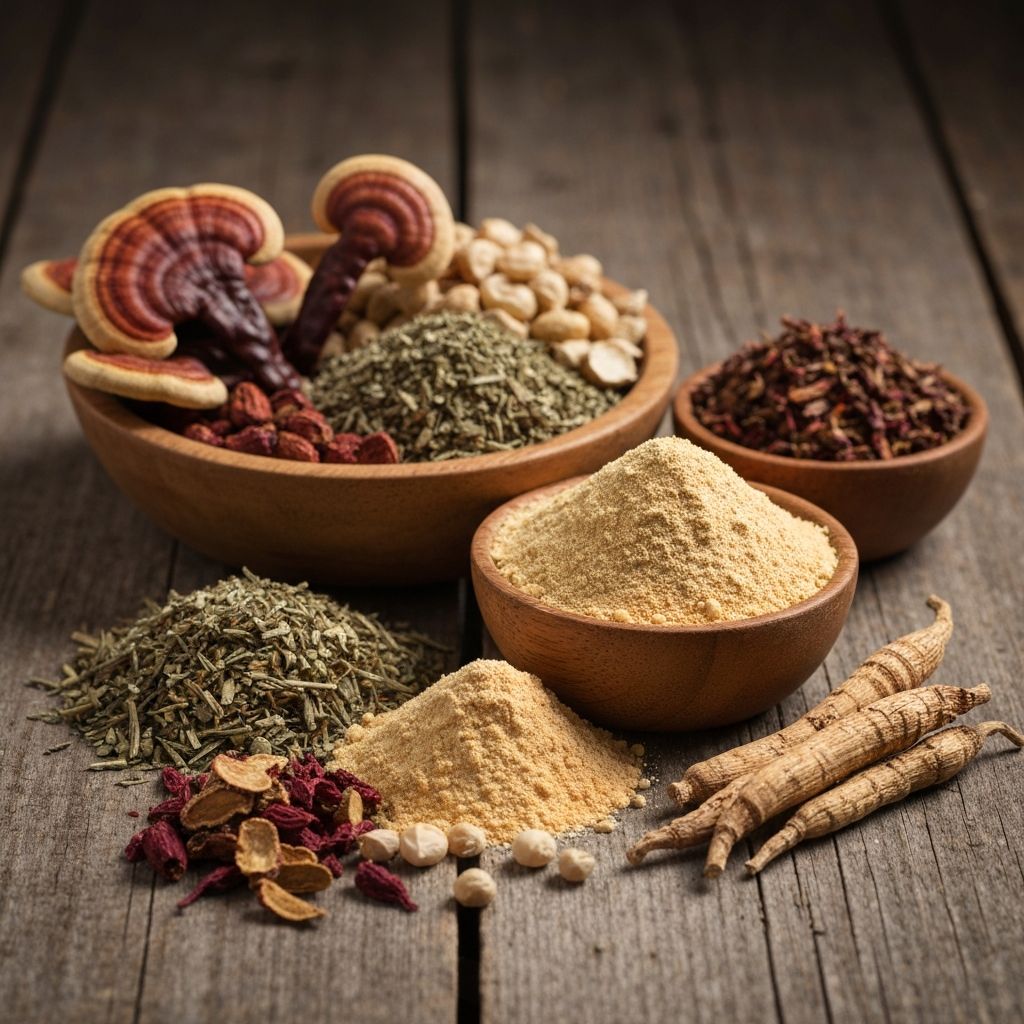
Adaptogenic Blend Formula
Adaptogenic blends represent combinations of herbs traditionally used to support the body's resilience during periods of stress. The term "adaptogen" describes plants believed to help normalize bodily functions and support adaptation to various environmental and psychological stressors.
Traditional adaptogenic formulas often combine multiple herbs, each selected for complementary properties. Common components include rhodiola, ginseng varieties, schisandra, and other herbs with long histories in traditional medicine systems. The synergistic approach reflects understanding that plant compounds may work together in ways that individual components alone do not.
Modern research continues to investigate adaptogenic herbs, though individual responses vary considerably. Factors including personal constitution, existing health conditions, medications, and individual physiology influence how adaptogenic formulas affect any given person.
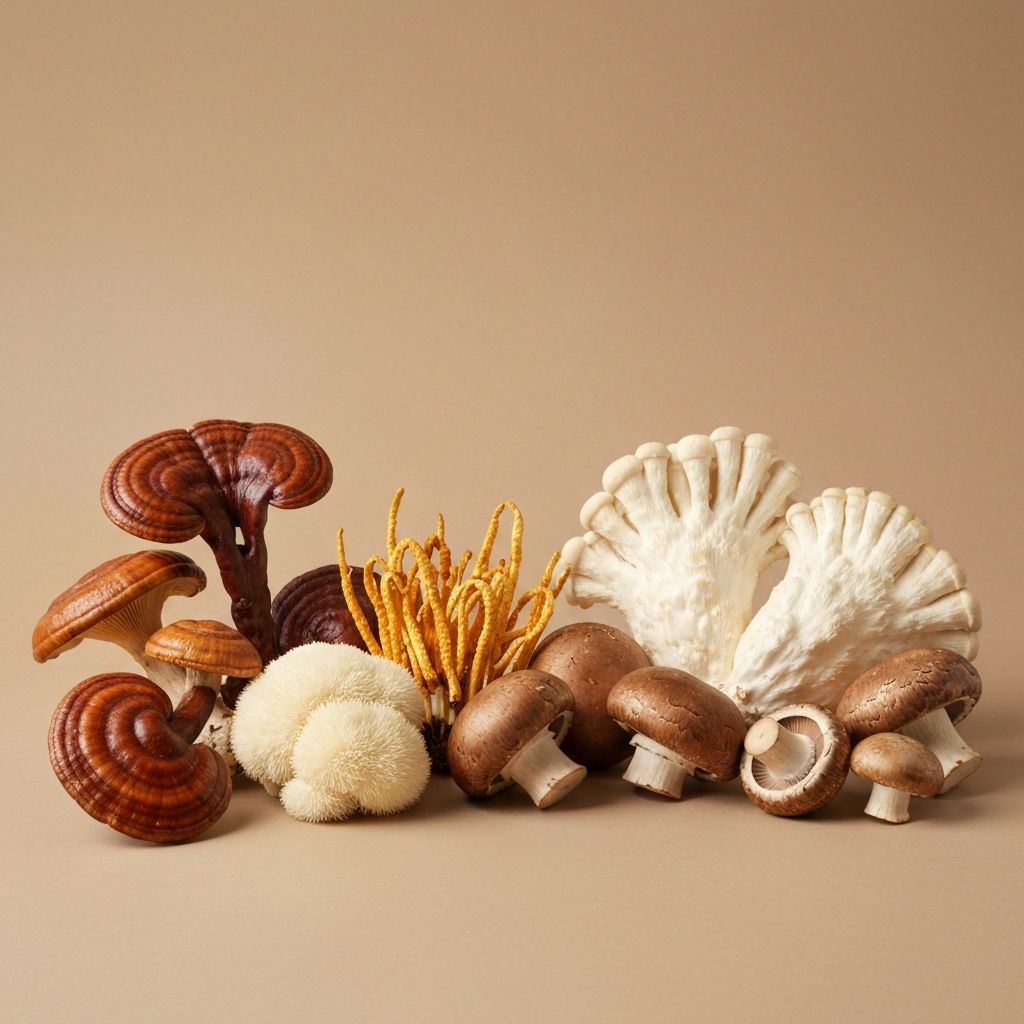
Medicinal Mushroom Complex
Medicinal mushrooms represent fungi species traditionally valued in Eastern wellness systems, particularly in Traditional Chinese Medicine and Japanese practices. Species including reishi, shiitake, maitake, cordyceps, and lion's mane have been incorporated into wellness approaches for centuries.
These fungi contain unique compounds including polysaccharides, beta-glucans, and triterpenes that distinguish them from other botanical ingredients. Historical use suggests applications across multiple aspects of wellness, from immune support to cognitive function, though individual experiences vary widely.
Contemporary scientific exploration of medicinal mushrooms continues to investigate both traditional applications and modern uses. The bioavailability of mushroom compounds and individual responses depend on multiple factors including species, extraction methods, and individual physiology.
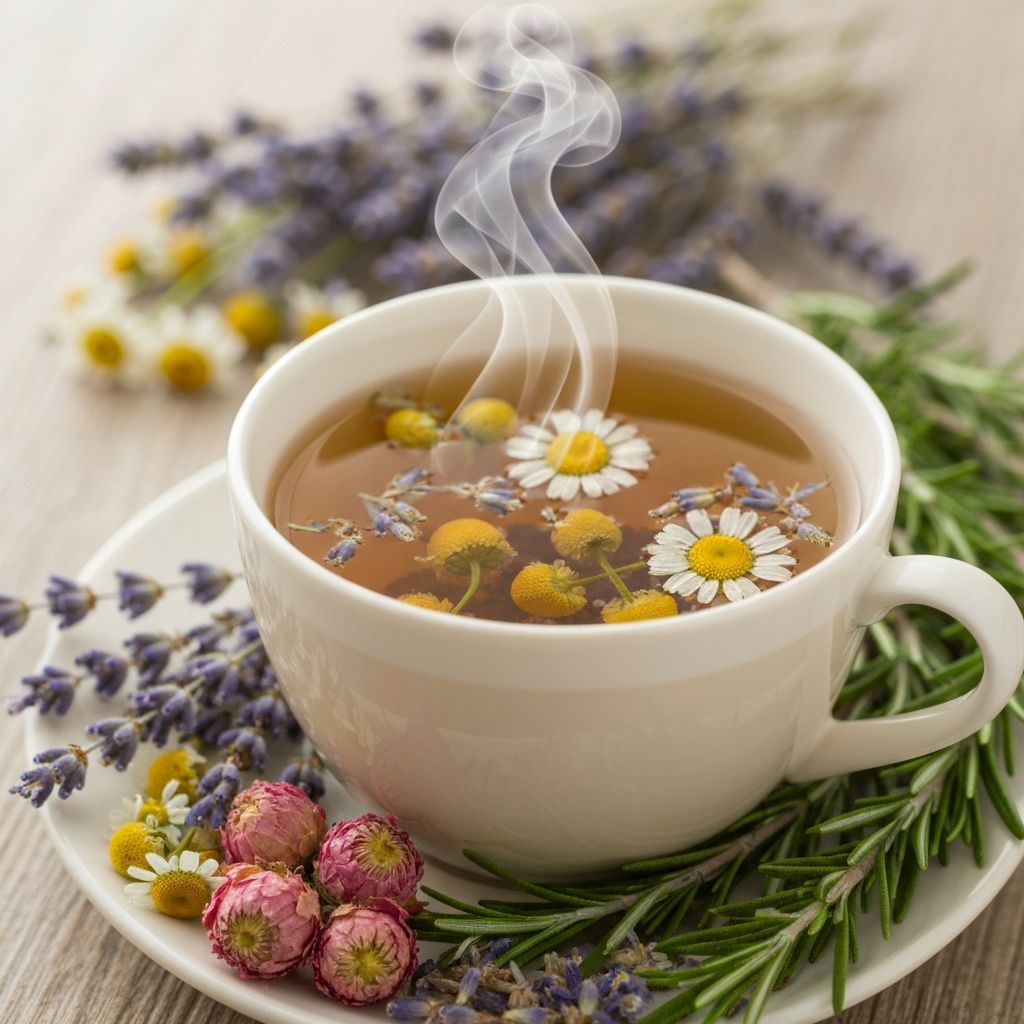
Herbal Infusion Blend
Herbal infusions represent traditional preparations where dried plant materials are steeped in hot water to extract soluble compounds. This method has been employed across cultures for millennia as both a practical means of consumption and a wellness ritual that carries cultural and ceremonial significance.
Different herbal combinations serve various purposes within traditional systems. Blends may emphasize relaxation, digestive support, respiratory wellness, or general vitality depending on their constituent herbs. The art of herbal blending reflects centuries of empirical knowledge about plant combinations and their effects.
Modern interest in herbal infusions encompasses both traditional knowledge and contemporary research into herbal constituents. Individual taste preferences, sensitivities to specific herbs, and existing health conditions influence how different herbal infusions suit particular individuals.